


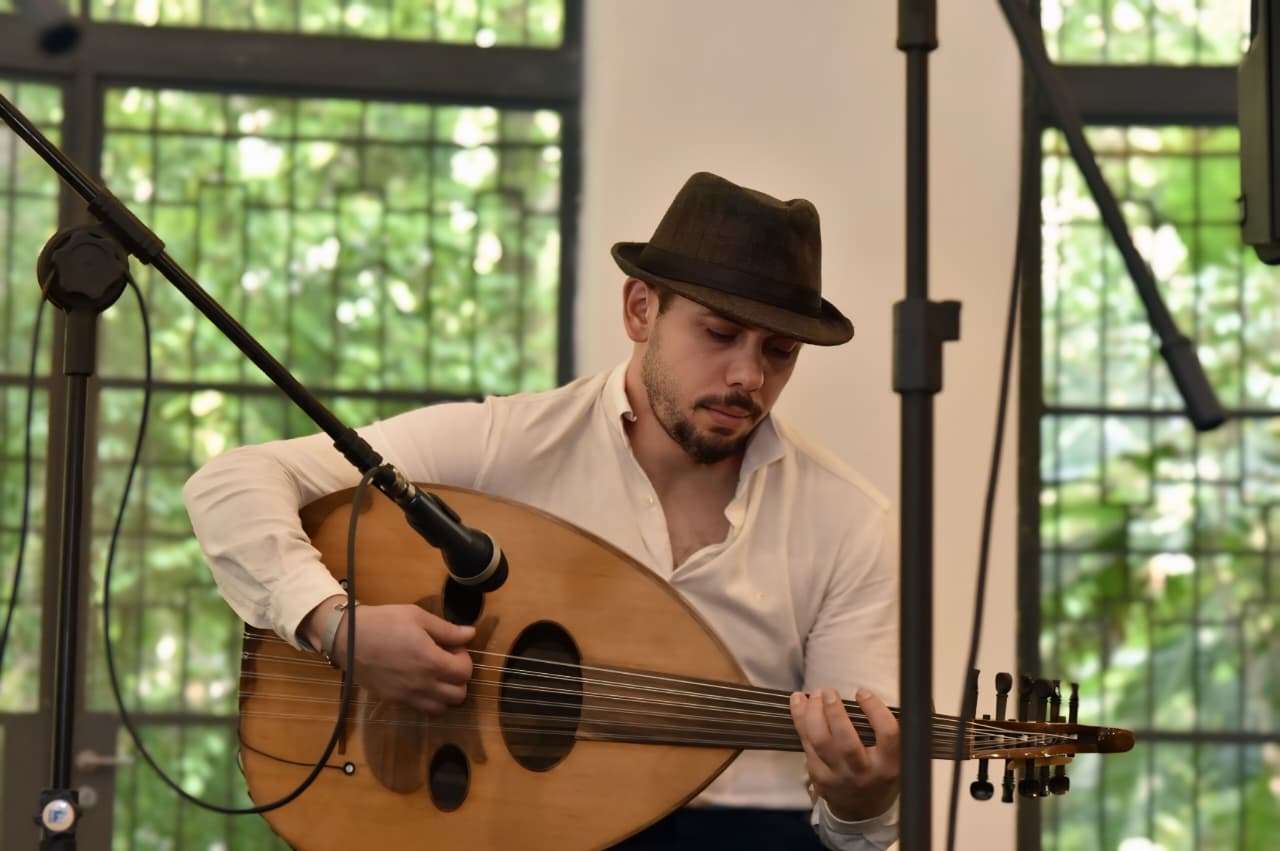
São Paulo – A musician, composer and Syrian—and now also a luthier, a maker of musical instruments—Rajana Olba, 39, has been living in Brazil since 2015 and has turned music into his livelihood on several fronts. The artist, who plays in a band and teaches the oud (Arab lute), has also become a builder of the traditional Arab instrument. The skill, learned on his own, began during the pandemic and has remained a central part of his life ever since.
After building his first oud, the musician received so many orders that the business grew, and today the waiting list stretches for several months. “That timeframe varies a lot. Some months I receive more orders, as happened in April, while in other periods demand is lower and the wait time decreases. Generally, this increase in orders comes after Carnival, when life starts returning to normal in Brazil.”
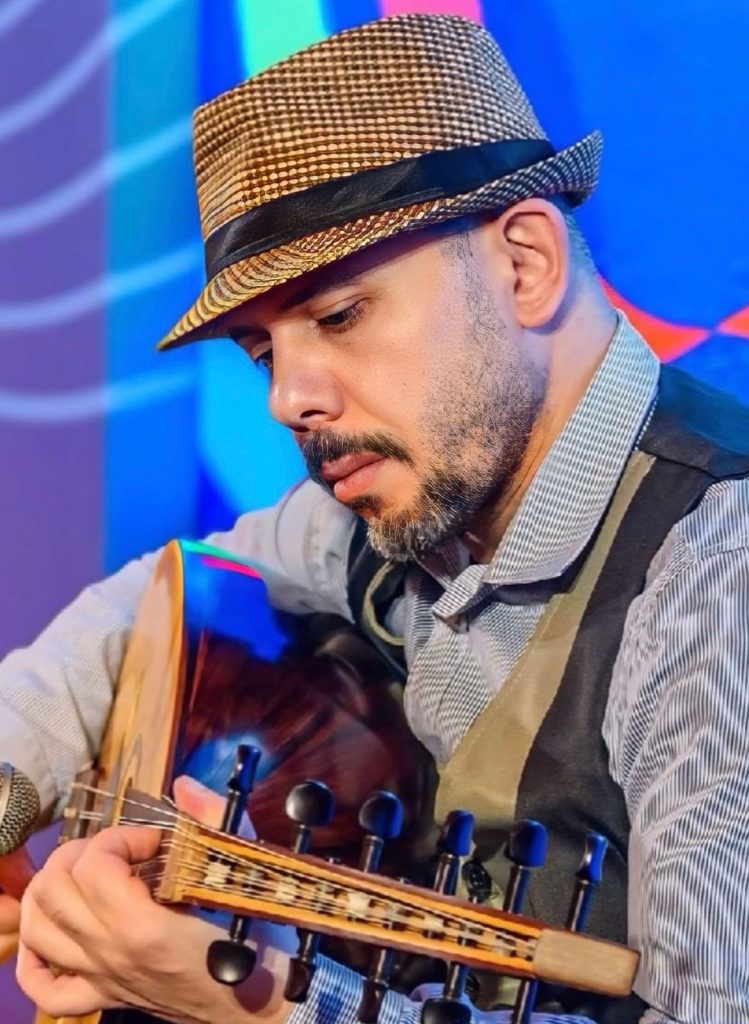
Passionate about music, Rajana recalls his history with the art form. “It’s something I’ve loved since childhood, and it’s very personal; I was never influenced by any relative or friend. Music is my whole life. While I was still living in Syria, I received my first oud and never stopped playing. I attended, for a few years, the conservatories of Damascus and Beirut. I was 14 at the time,” he says.
After that, Rajana learned to play new songs simply by listening and performed as a musician in his home country. His enthusiasm for the oud led him to teach others as well.
“There’s no maximum time for someone to learn to play the oud. A person can spend years refining their skills. That’s why I brought many of my students from Syria with me when I moved to Brazil, and today they continue learning online,” he says.
Having made a living from music for many years, Rajana saw things change when he moved to Brazil. In search of a better life, he had to pause his career. “I came alone, without speaking Portuguese, and worked in a few places, not as an artist. I even worked in the fields, where I stayed for two years. During that time, I learned a new language and decided to resume my career,” he says.
In 2018, the artist founded the band Brisa do Oriente and began performing in various regions of Brazil. “Since the band was created, we’ve appeared on television programs and, in 2019, we were doing three to four shows a month. Nowadays, we perform less frequently, but the shows tend to be larger, at festivals, for example.”
In total, the band has six members, who play instruments ranging from more common ones, such as piano and double bass, to typically Arab instruments such as the oud and the derbak. While the repertoire initially featured songs by other artists, it now consists entirely of original compositions by Olba.
“While I was living in Syria, I had written fragments of music but had never completed anything. It was in Brazil that I found the inspiration I needed to finish several instrumental pieces, including one that became very popular here, called ‘A Message to My City,’ which is a tribute to my hometown, Sweida,” he says.
Musical instrument
The construction of his first oud from scratch came about with little planning. It was during the COVID-19 pandemic, in early 2020, when people were living in isolation, that Rajana decided to watch tutorials on YouTube to learn how to build the instrument.
“Before making my first oud, I already had some experience with wood and measurements and had also done some work with stone carving. After watching a few videos, I built my first instrument and posted it on Instagram. After that, I started receiving orders through the social network and took part in a few television interviews, which helped boost my sales,” the Syrian recalls.
Finally, Rajana explains the cultural importance of the instrument. “Just as in Brazil the guitar is a very common instrument and is usually present in Brazilian homes, the same is true of the oud in Syrian households. The oud is an important instrument in our culture and something very traditional in my hometown.”
Read also:
Exhibit features mathematics of Andalusia
Report by Rebecca Vettore, in collaboration with ANBA
Translated by AI
