



São Paulo – The 21st Arab World Film Festival opens on Wednesday (2), organized by the Arab Culture Institute (ICArabe) in partnership with the São Paulo Social Service of Commerce (SESC-SP), with sponsorship from the Arab-Brazilian Chamber of Commerce (ABCC) and Casa Árabe. Running through September 8, the festival will feature nine films, seven of them making their Brazilian debut. All screenings will take place at CineSesc in São Paulo.
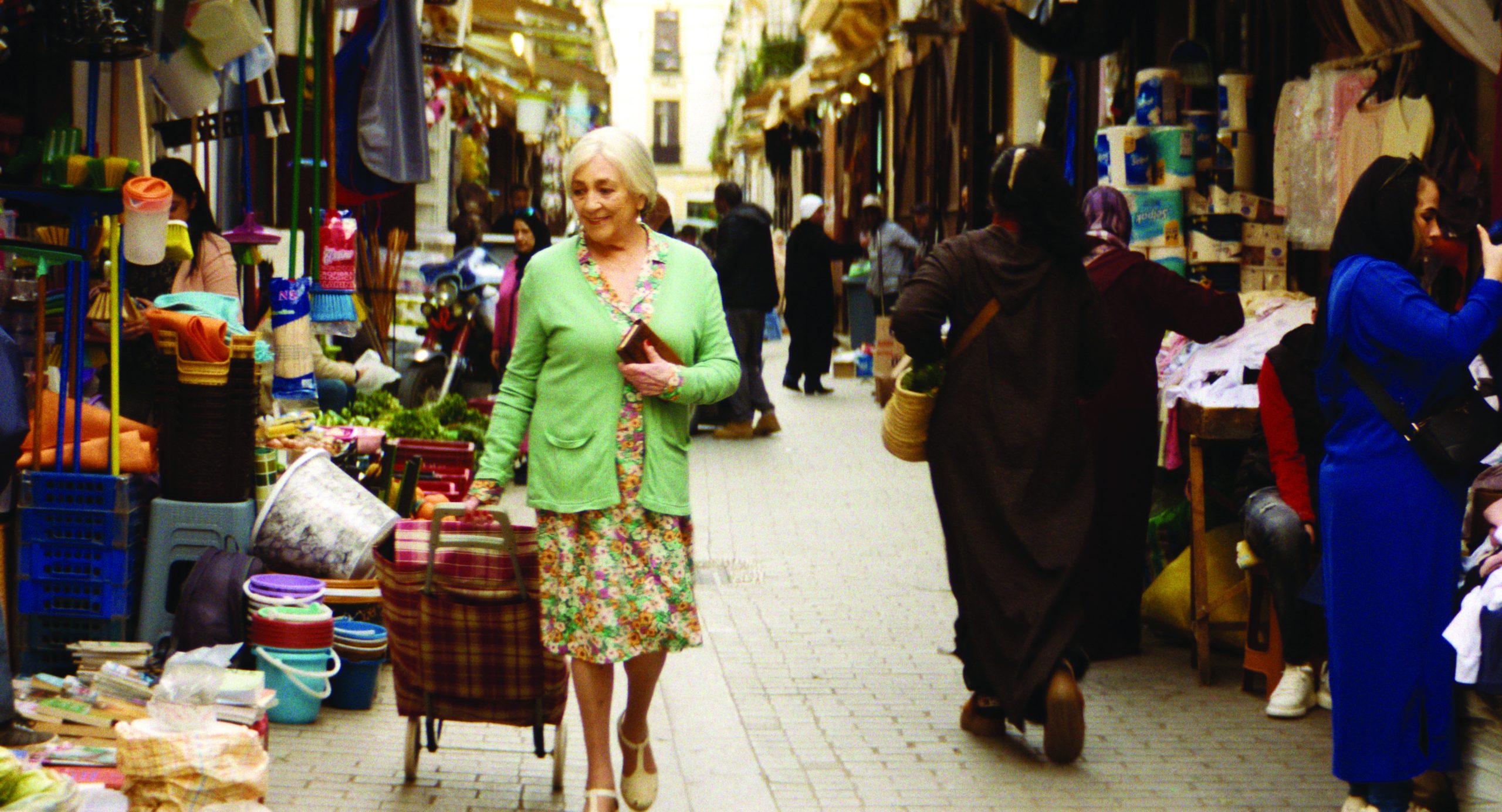
The opening screening will feature Calle Málaga (2025), a feature film by Maryam Touzani. Starring Carmen Maura, it tells the story of a Spanish woman living in Tangier, Morocco, until her daughter decides to sell the apartment where she lives. She then struggles to remain in the city and keep her home, embarking on a journey that also brings new discoveries.
The festival’s curator and Arab Chamber director Arthur Jafet said the goal was to seek films that portray Arab societies “in motion,” avoiding a single or simplified view of the Arab world. The selected features address family, territories and memories. Jafet said the selection sought to broaden the perspective not only on themes, but also on storytelling by a young generation seeking to imagine a different future. “In these films, the past does not simply appear as nostalgia, but as living material that cinema recovers, questions and reinvents,” he said.
The festival’s curator and ABCC board member Arthur Jafet said the goal was to seek films that portray Arab societies “in motion,” avoiding a single or simplified view of the Arab world. The selected features address family, territories and memories. Jafet said the selection sought to broaden the perspective not only on themes, but also on storytelling by a young generation seeking to imagine a different future.
“In these films, the past does not simply appear as nostalgia, but as living material that cinema recovers, questions and reinvents,” he said.
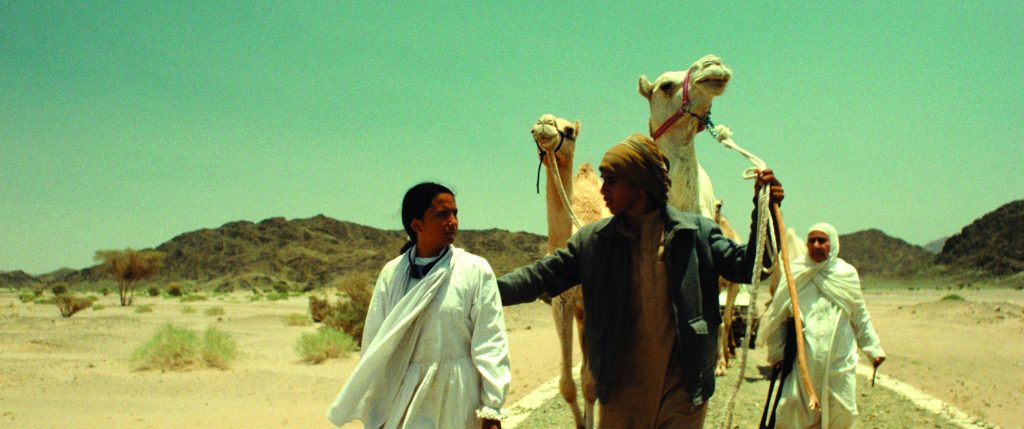
Jafet also highlighted Calle Málaga, as well as Cotton Queen (2025), by Suzannah Mirghani, which portrays economic and social changes following British colonial rule in Sudan, and Hijra (2025), by Shahad Ameen. Hijra tells, through three women from the same family, how each generation relates to tradition in Saudi Arabia.
“The director herself describes the film as a reflection on these different generations of Saudi women and their distinct perceptions of freedom,” Jafet noted.
The curator also drew attention to Where the Wind Comes From (2025), by Amel Guellaty, which humorously explores the fate of two young people traveling across Tunisia to take part in a competition.
Jafet said another goal of the festival is to show audiences that there is not just one “Arab world,” but a diversity of countries and peoples with very different realities, including Morocco, Sudan, Tunisia, Egypt, Saudi Arabia, Lebanon and Iraq. Founded 21 years ago, the Arab World Film Festival, Jafet said, remains true to its mission: allowing Brazilian audiences to learn about Arab societies “beyond simplistic images.”
“Over these 21 editions, the festival has also witnessed a major transformation in Arab cinema itself, with new generations of filmmakers, greater female representation, films from countries that had previously received little international exposure, and a growing diversity of languages and subjects,” he said.
The 21st Arab World Film Festival is co-sponsored by Nasser Advogados and supported by Instituto do Sono and the Edward Said Chair of Contemporary Studies at the Office of the Provost for Graduate Studies and Research at the University of São Paulo (USP).
More information and the full schedule are available here.
Read also:
Book features Middle Eastern short stories
Translated by Guilherme Miranda

