



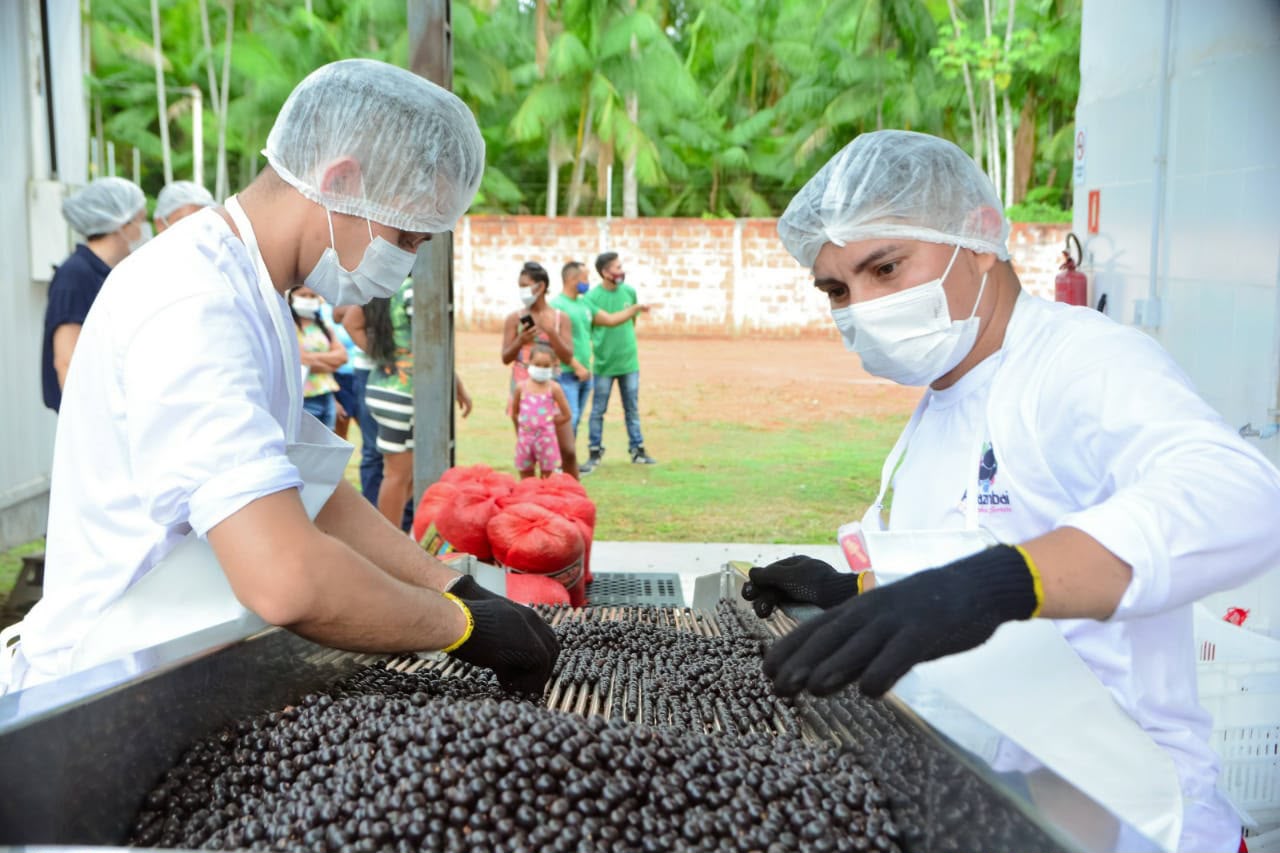
São Paulo – Açaí produced by a cooperative in northern Brazil is set to reach Algerian consumers. Located in the Bailique Archipelago, in Macapá, Amapá Amazonian state, the Cooperative of Agro-Extractivist Producers of Bailique and the Lower Amazon (Amazonbai) expects to ship a container carrying 10 metric tons of the product to the Algerian market in the second half of 2026.
“It’s a new market that is beginning to consume more açaí as a superfood (a natural plant-based product rich in essential nutrients). And the fact that we produce it within local communities was the decisive factor in their decision to enter into this partnership with us,” said Amazonbai president Amiraldo Picanço.
“As a cooperative, we always seek to begin sales in a new country with a product that is new to that market, helping with its introduction and consolidation so that it succeeds for everyone involved. That is why this sale is so important, and it will allow us to make significant progress in this territory.”
Negotiations with the Arab country began in December last year, when the cooperative took part in Food Africa 2025 in Cairo, Egypt.
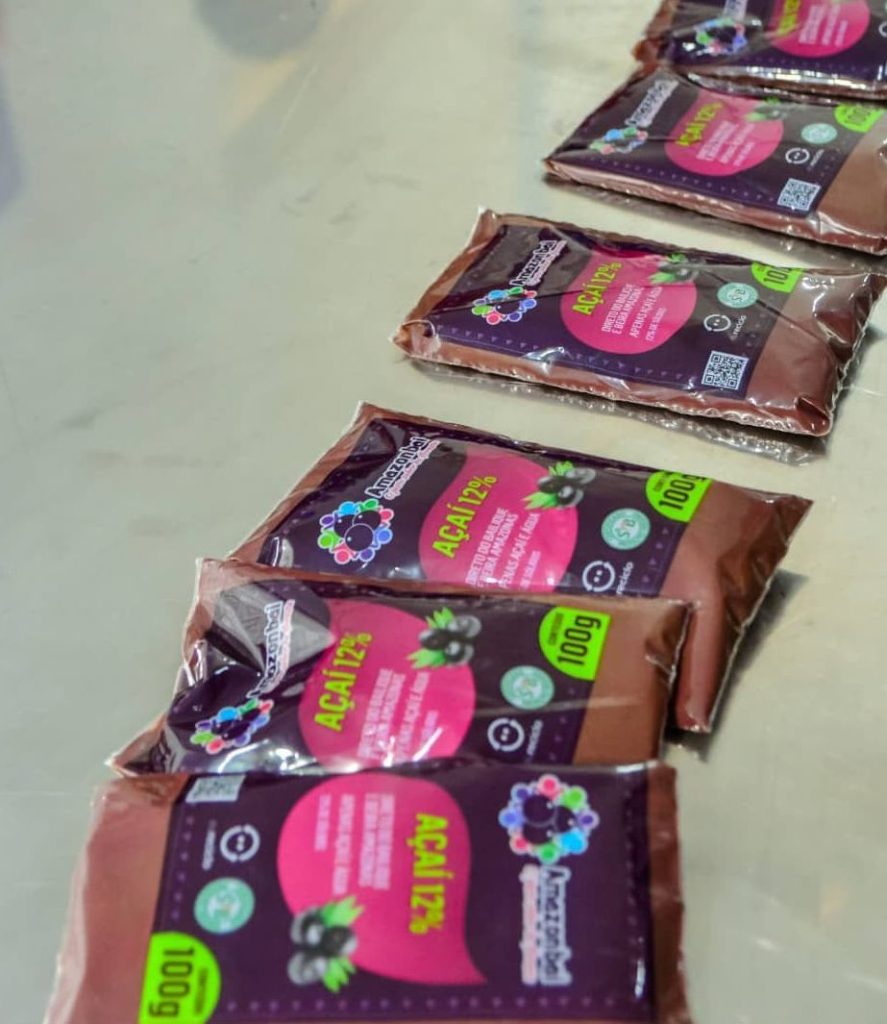
“During the event, a company from Algeria got our contact information and took samples of our product. In January, we agreed to meet again at Gulfood 2026 in Dubai, United Arab Emirates, and finalized the deal for 10 metric tons of powdered açaí,” the cooperative’s president recalled.
Gulfood is a trade fair for the food and beverage industry.
Although negotiations have already been concluded, exports of the fruit will still take some time to begin due to the time required for the harvest. What once took four months to be ready now takes longer because of climate change.
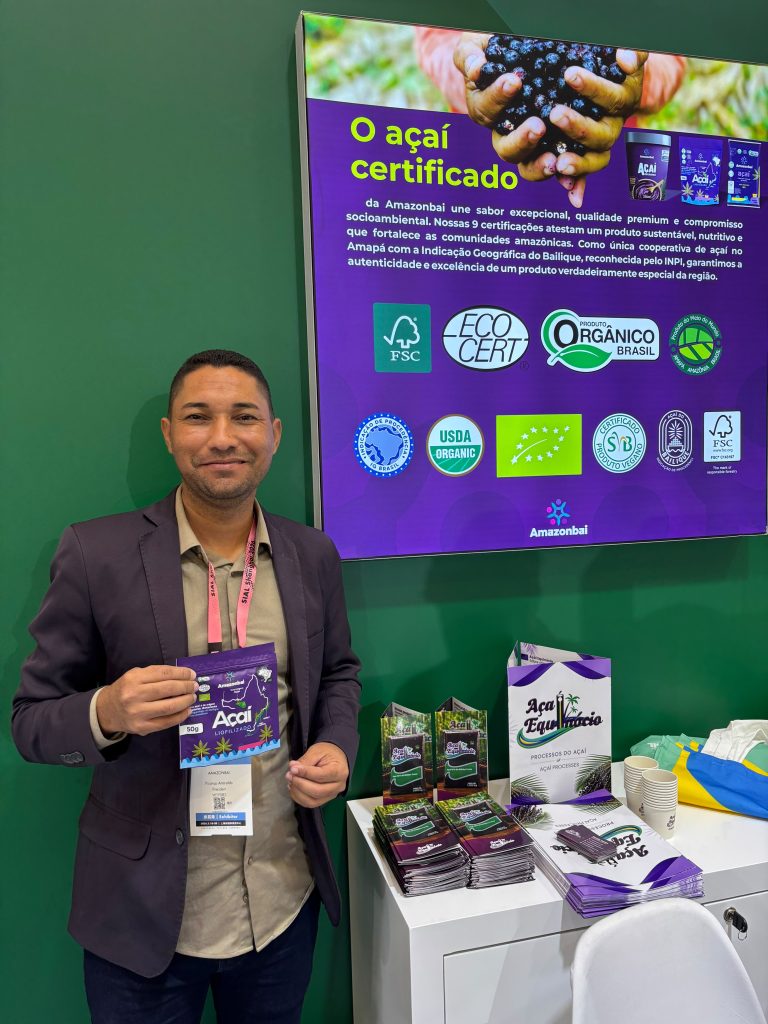
In addition to being produced by local communities, the product’s international certification is another key advantage when it comes to exporting it, according to Picanço. “From the very beginning, when we founded Amazonbai, our dream was to reach specialized markets, and having certification from the Forest Stewardship Council (FSC) has helped us engage much more easily with trade representatives outside Brazil.”
In addition to other certifications, the cooperative’s açaí also carries a geographical indication seal from Brazil’s National Institute of Industrial Property (INPI), certifying that the fruit from the Bailique region is sustainably and naturally cultivated, without the use of pesticides, machinery, or fertilizers.
Currently exporting to the United States and Portugal, the company expects to be selling to six additional countries by the end of this year, including the UAE and China, in addition to Algeria. “We’ll export the powdered product to Algeria and Dubai, while China will receive the fruit pulp,” he explains.
The cooperative
Amazonbai was founded in 2017 with the goal of adding value to açaí production while increasing visibility and improving the quality of life of the communities living in the Bailique Archipelago. Trained as a Forest Engineer and holding a master’s degree in Regional Development, Picanço was one of the cooperative’s founders.
“In the beginning, we sold the fruit’s seeds to our local municipality of Macapá and to the city of Santana, both in Amapá state. Later, we expanded to Belém. At first, we focused our sales on the birthplace of açaí,” says Picanço.
“Although we started close to home, our goal from the very beginning was to export products made by local communities. In 2021, we made our first export shipment to two companies in the United States, and two years later we began selling to Portugal and Belgium.”
In addition to the expected growth in exports, the cooperative’s expansion shows its determination to go further by differentiating itself from competitors. “At the beginning, we worked with 37 families, a number that now has grown to 159. Through strategic planning, we provide two training programs—one focused on business and the other on production—and we seek ways to strengthen the entire production chain so that we can offer a safe product. We also have two manuals on açaí management practices,” concludes the cooperative’s president.
Read also:
Chocolate sustains forest on island in Pará
Report by Rebecca Vettore, in collaboration with ANBA
Translated by Guilherme Miranda
