


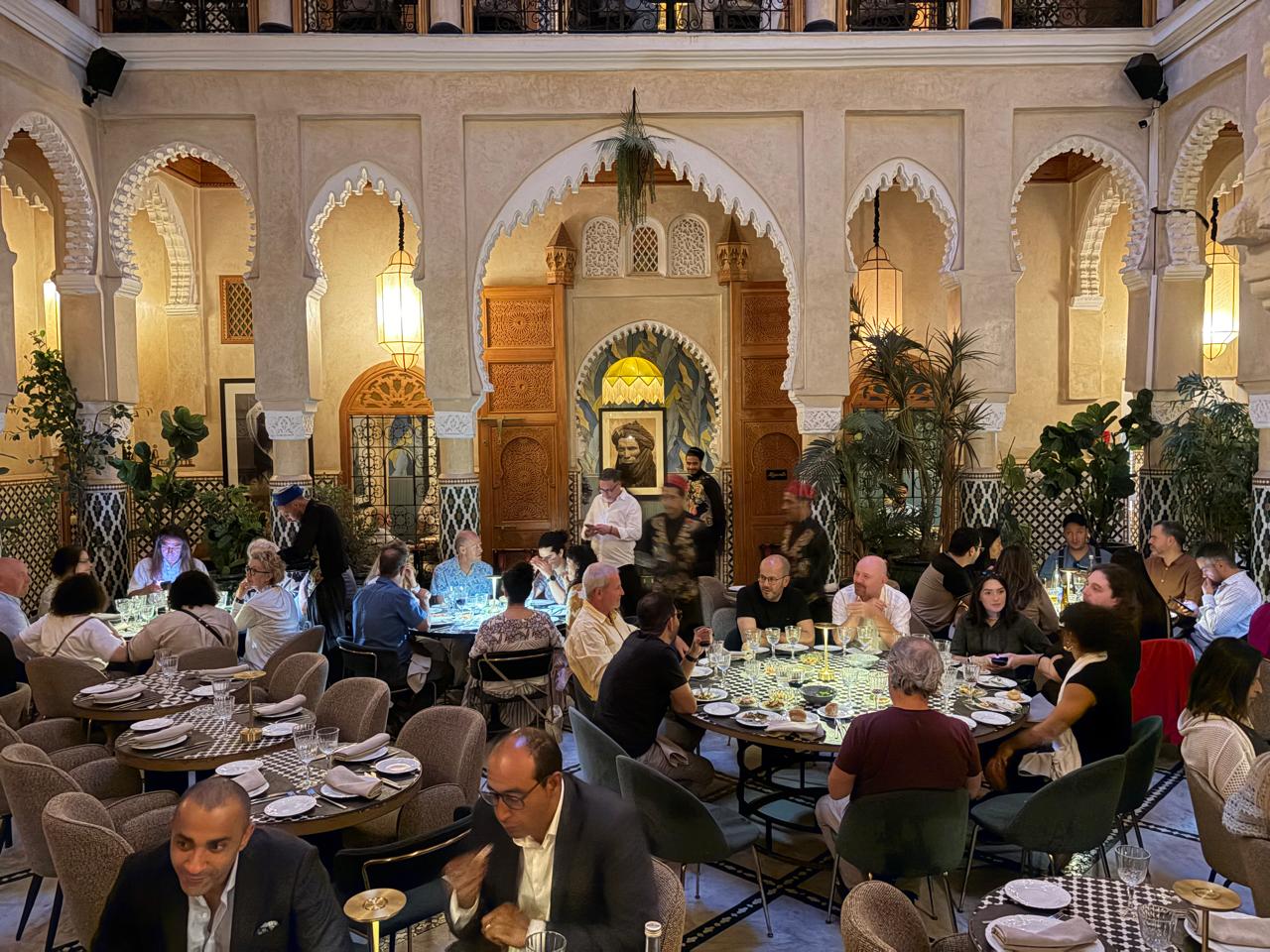
Casablanca – There are many ways to experience a country’s culture: by strolling its streets, talking to its people, visiting its museums and… eating. In Morocco, cuisine offers a true journey through time, preserving age-old recipes and traditional cooking methods in the name of flavor. More than a cultural heritage, it invites diners to discover the country through the simple pleasure of food.
Visits to Dar Dada in Casablanca and Palais Dar Soukkar in Marrakech make one thing clear: while both are popular with tourists, their traditional cuisine makes no compromises when it comes to preserving Morocco’s culinary heritage and winning visitors over through flavor.
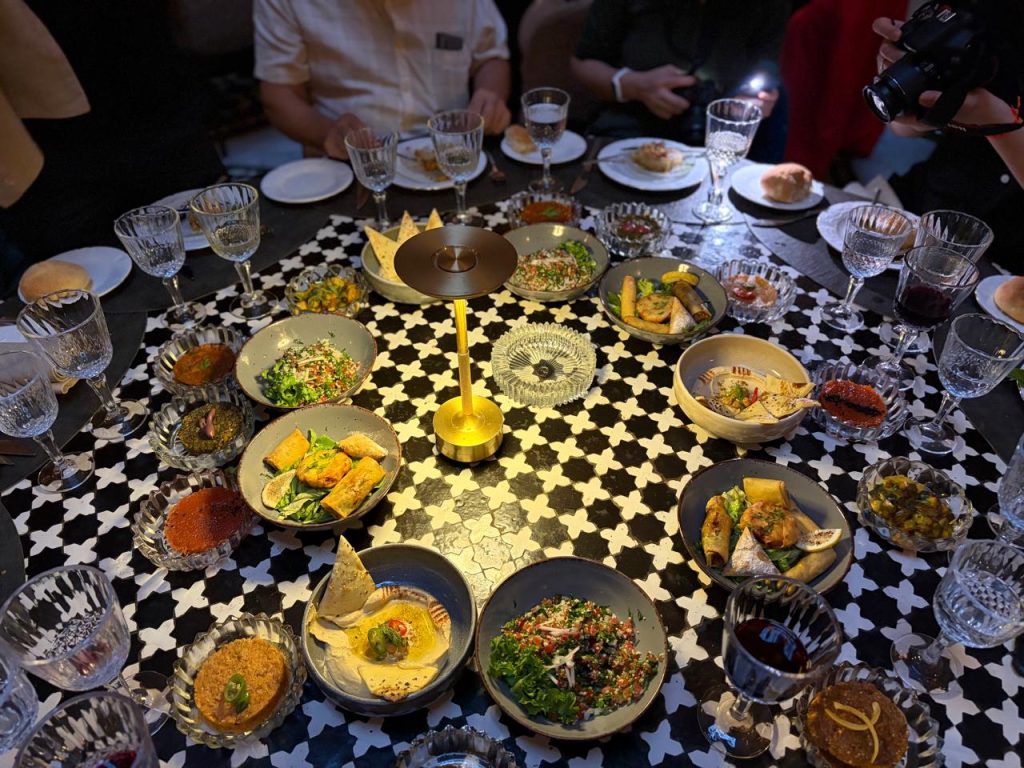
A full-course meal at Dar Dada begins with briouate, a flaky pastry that comes in various shapes and can be filled with cheese, vegetables, or meat. Savory versions are served as appetizers, while sweet ones, filled with almonds and honey, are typically enjoyed with tea.
Moroccan cuisine is built around wheat, which features prominently in tajine dishes served in the traditional earthenware vessel also known as tajines. Tajines can be prepared with beef, fish, chicken, or vegetables. The seasonings combine the mildness of soft cheeses, as in briouates, with the bolder flavors of Eastern spices such as saffron, pepper, and paprika.
Moroccan cuisine features dishes that blend sweet and savory flavors. One of the best examples is tfaya, a topping made with caramelized onions, saffron, ginger, raisins, and cinnamon, commonly served with couscous and other dishes. No meal is complete without bread, and among the many varieties available, khobz and batbout are almost always on the table.
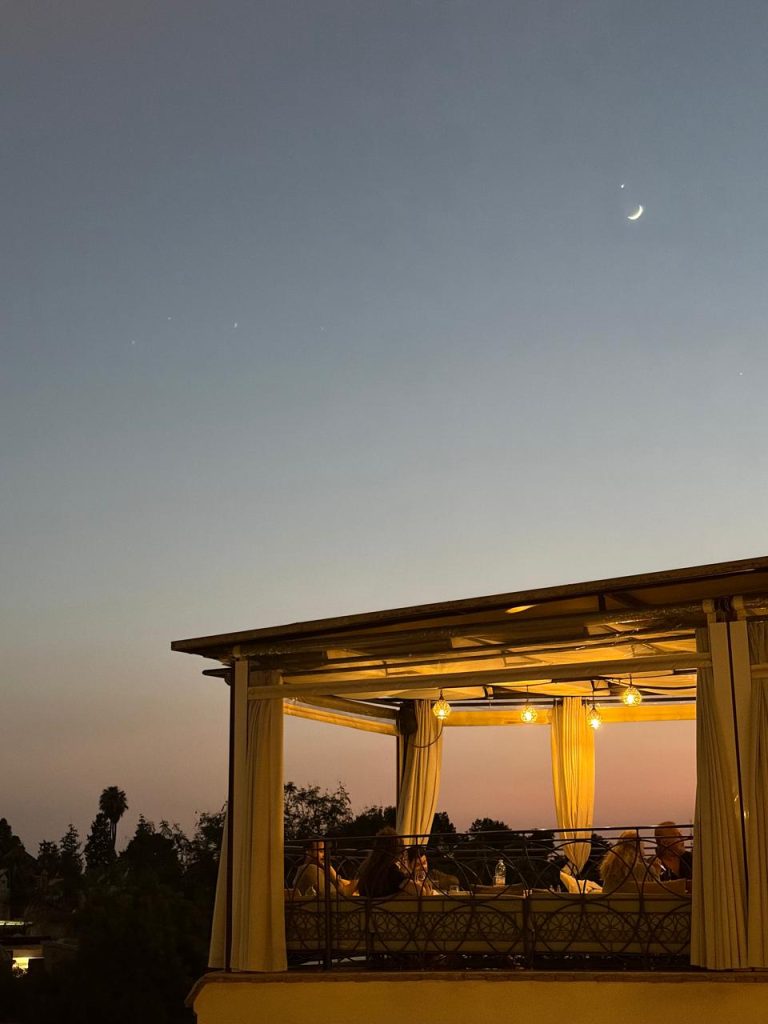
Dining in Morocco is about more than eating. It is about gathering around a table, enjoying the company of those with you, and sharing small portions of food served for everyone to enjoy. It is a return to family traditions, where meals are shared at home. It is no coincidence that many restaurants begin with the word “Dar,” meaning “home” in Arabic. Meals are often enjoyed in riads—the interior courtyards of traditional Moroccan homes—or on open-air terraces. This is the case at Dar Dada and another Casablanca restaurant, Dar El Kaid, which is especially popular with tour groups.
At Palais Dar Soukkar in Marrakech, the same culinary traditions continue, but the flavors of the East become even more pronounced. The saffron is more intense, and the dishes are bolder and spicier—especially the vegetables.
Moroccan nights become just as vibrant, even as the desert’s dry climate brings cooler temperatures after sunset. Musical performances complete the culinary celebration, with belly dancing, live music—including “The Girl from Ipanema”—and traditional Amazigh dances performed by the Indigenous people who have inhabited Morocco for thousands of years. And of course, guests are encouraged to join in the festivities.
French influence, Moroccan flavor
Morocco was formally under French rule from 1912 to 1956. That period left a lasting imprint on the country’s society: many Moroccans speak fluent French, parts of its cities were designed using French urban planning principles, and many neighborhoods still bear French names. The country’s cuisine also reflects this legacy.
Desserts, for example, reflect French influence in delicate mille-feuille pastries filled with raspberry cream. And speaking of French cuisine, there are two restaurants well worth a visit. For a quick, flavorful, and unpretentious meal at sidewalk tables—the way the French like it—Monty’s in Casablanca is an excellent choice. Main dishes cost around USD 7, and the menu offers a wide variety of options. It’s a great spot for a late-afternoon bite.
In Marrakech, meanwhile, many hidden gems can be found among the winding streets of the medina, the old walled city. One of them is Café des Épices. With its relaxed atmosphere and large windows overlooking the bustling streets and shops below, it is an ideal place to take in the city’s energy. The menu features Moroccan specialties, including several varieties of tajine, alongside French dishes and contemporary international cuisine. One thing every recipe has in common, however, is the generous use of spices—a constant reminder that you are in Morocco.
Whether in riads or elsewhere, dinners are often enjoyed on restaurant terraces—as at Dar El Kaid in Casablanca—or in spacious open-air settings, as at Palais Dar Soukkar. There, as the evening unfolds, the crescent moon that symbolizes the Islamic calendar slowly takes the sun’s place in the Moroccan sky, celebrating the pleasure of sharing a meal with loved ones as another night begins.
Read the other stories in the series:
Trip made at the invitation of Braztoa and the ONMT, with travel insurance provided by GTA
Translated by Guilherme Miranda
