



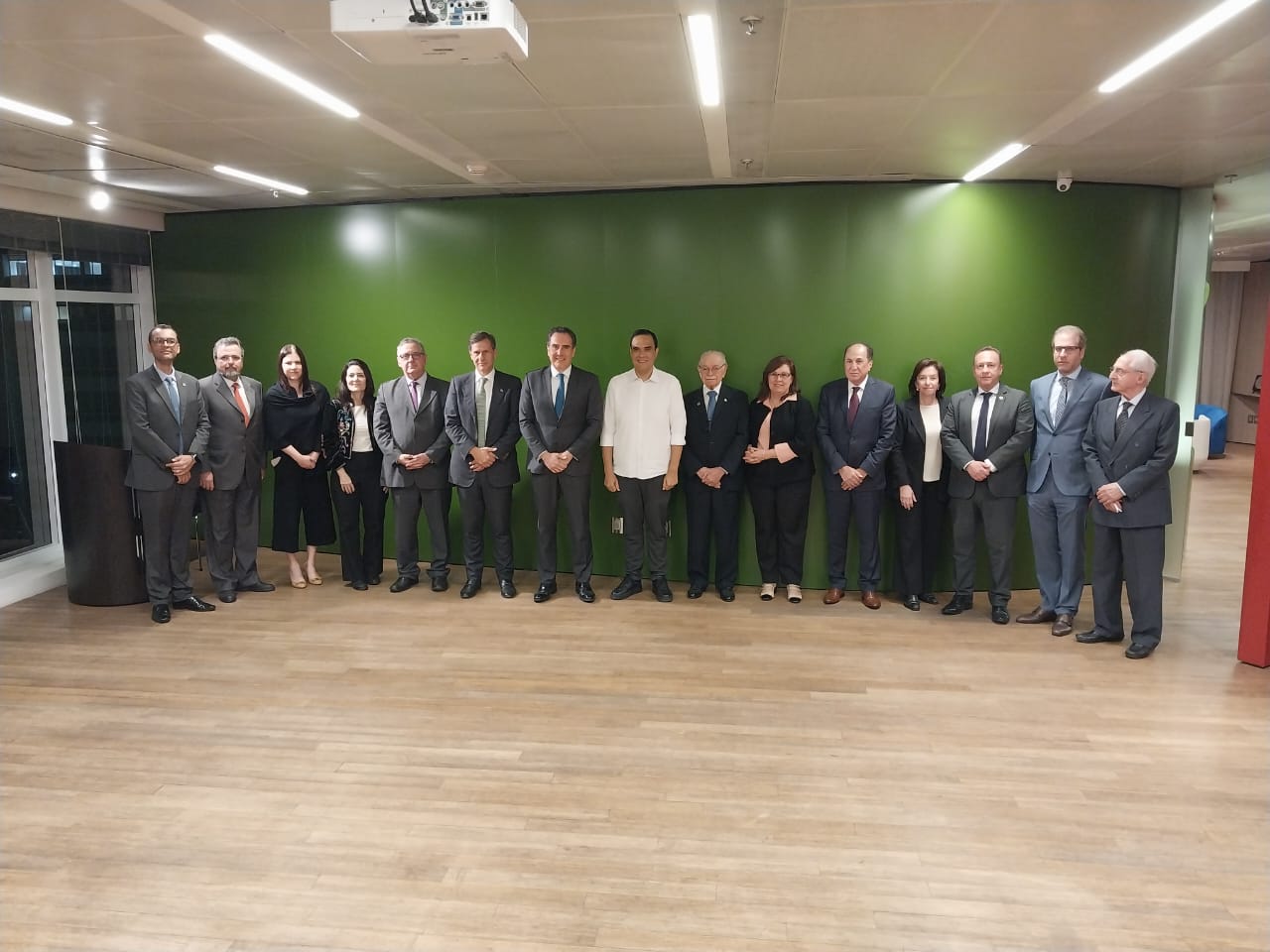
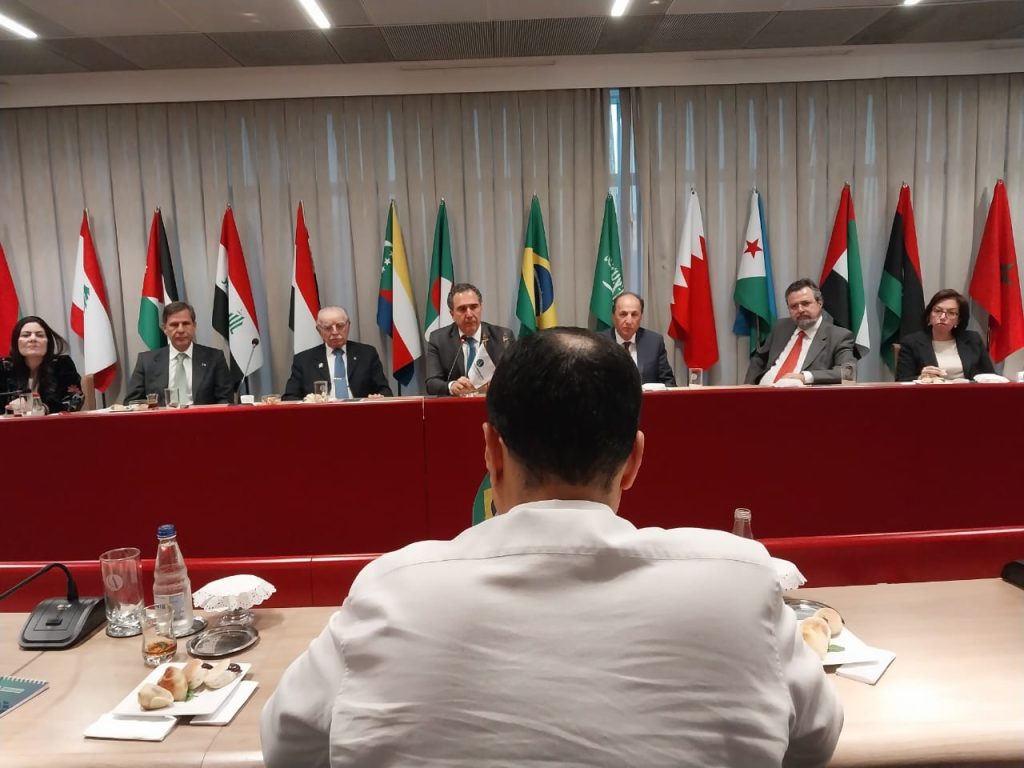
São Paulo – Brazil’s Ministry of Tourism, the Arab-Brazilian Chamber of Commerce (ABCC) and halal certifier FAMBRAS Halal will establish a working group to develop initiatives aimed at promoting tourism by Arabs and Muslims to Brazil, as well as travel by Brazilians to Arab countries. The agreement was reached during a meeting between Tourism Minister Gustavo Feliciano and leaders of the ABCC and FAMBRAS Halal on Monday (20) at the ABCC’s headquarters in São Paulo.
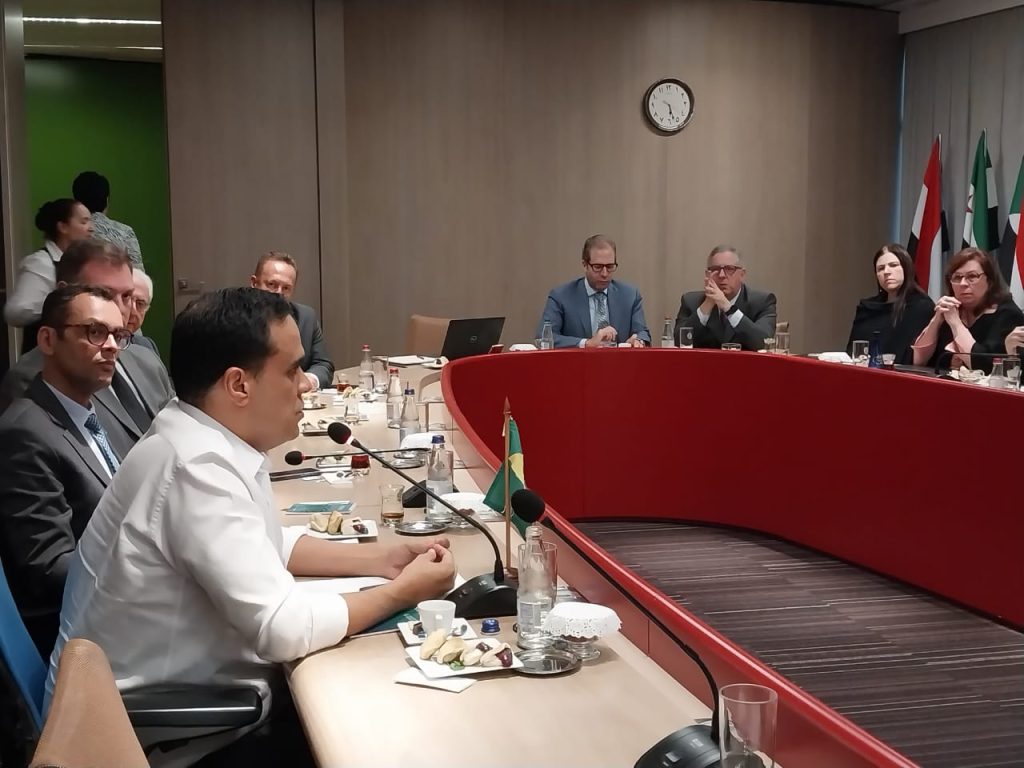
Among the proposals discussed at the meeting were easing or waiving tourist visa requirements between the countries and training Brazilian tourism businesses to better accommodate Arab and Muslim visitors. “The working group’s role will be precisely to identify, more accurately, how we can achieve greater success with concrete initiatives,” the minister told ANBA after the meeting.
In May this year, Brazil waived visa requirements for Chinese citizens traveling to the country for up to 30 days, reciprocating a measure previously adopted by the Chinese government for Brazilian nationals. According to the minister, the move has since led to a 75% increase in Chinese tourism to Brazil. Feliciano noted that easing visa requirements for Arab nationals was only one of the ideas discussed, as the issue falls beyond the scope of the ABCC and the Ministry of Tourism and involves broader state policy as well as Brazil’s Ministry of Foreign Affairs.
The minister, however, sees strong potential in the Arab travel market. “Brazil is experiencing an extraordinary moment for tourism. To sustain and even expand this growth, we need to seek out new partners and new markets,” he said, adding that the goal is not only to attract more visitors from Arab countries but also to encourage more Brazilians to travel to the region. Brazil welcomed around nine million international visitors in 2025, up from approximately six million in 2024.
The minister also believes that better preparing Brazil’s tourism sector to welcome Arab and Muslim travelers could help attract more visitors from the region. “Respecting cultural differences and preparing Brazilian tourism businesses and entrepreneurs to properly welcome Arab visitors could also be one way forward,” he said. He stressed, however, that the working group will determine the most effective course of action, noting that an approach that works for one region may not necessarily be the best fit for another.
Speaking about direct flights between Brazil and Arab countries, Feliciano said the working group could also hold talks with airlines interested in adding Brazil to their route networks. “Riyadh Air, from Saudi Arabia, is expanding and could include Brazil as a destination,” he said, referring to the Saudi carrier. Currently, the only Arab countries with direct flights to Brazil are Morocco, the United Arab Emirates and Qatar.
The ABCC presented the minister with data on tourism’s contribution to the gross domestic product of Arab countries, the number of Arab visitors traveling to Brazil, and factors that could help attract more tourists from the region. The presentation was delivered by ABCC Market Intelligence Manager Marcus Vinícius, following opening remarks by ABCC President Wiliam Adib Dib Jr., who reaffirmed the institution’s commitment to working jointly with the ministry.
Also representing the ABCC at the meeting were Vice President of International Relations & Secretary-General Mohamad Orra Mourad, who proposed the creation of the working group; Vice President of Marketing Silvia Antibas; Treasurer Mohamad Abdouni Neto; Administrative Vice President Nahid Chicani; board members Sami Roumieh, Suzana Chohfi, Arthur Jafet, Alessandra Frisso, Claudia Haddad and William Atui; and Corporate and Institutional Services Coordinator Ana Cristina de Oliveira.
Also attending the meeting with Minister Feliciano were National Secretary for Tourism Policies Augusto Lira da Rocha; the minister’s chief of protocol, Sérgio Rodrigues; Head of the Special Communications Office Venceslau Borlina Filho; Communications Coordinator Caio Duarte Pereira; and photographer Diego George Herculano Cabral de Barros. FAMBRAS Halal was represented by Vice President Ali El Zoghbi and Director of Projects and Institutional Relations Delduque Martins.
Read also:
Brazilian travelers are redefining tourism
Translated by Guilherme Miranda
