



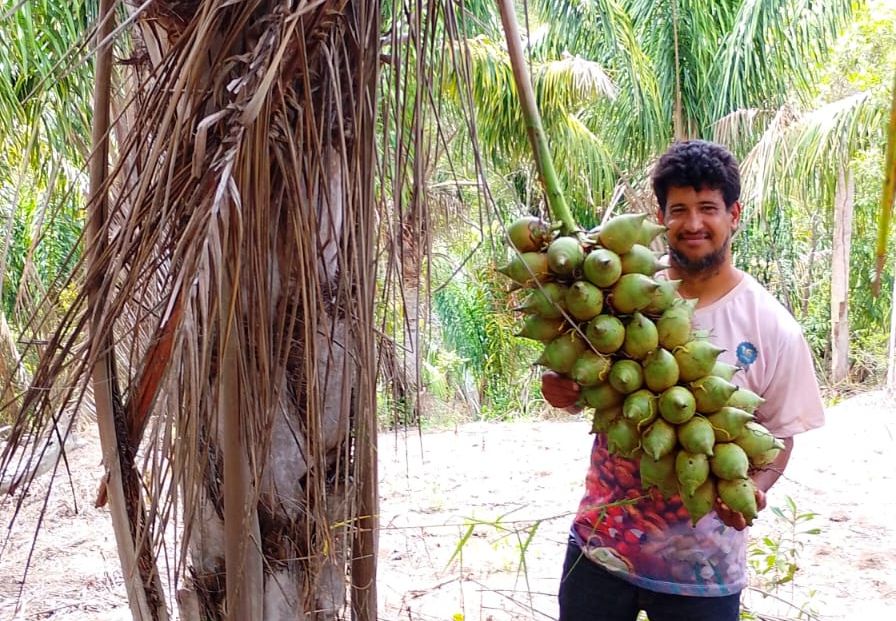
São Paulo – As of its inception in May 2009, piassava coconut was already the primary product of Cooperativa dos Agricultores Familiares do Baixo Sul (Coopafbasul, the Lower South Family Farmers’ Cooperative). So much so that in 2010, the cooperative put in place a specific program focusing on the activity, involving the construction of six processing units and broom making. Over time, more products were added to the portfolio of the Bahia cooperative, based in the city of Ituberá (on the so-called Dendê Coast), and piassava got put to other uses than just broom-making.
In 2023, the cooperative exported 800 tons of coconut to Egypt. The purpose: to craft the misbaha, a traditional set of Muslim beads usually comprising 33 beads to help keep track of prayers. The cooperative expects to ship about 500 tons this year. Besides Egypt, it also ships product to China and Indonesia. Additionally, Coopafbasul exports piassava fiber to Saint Vincent and the Grenadines, a country in the Caribbean.
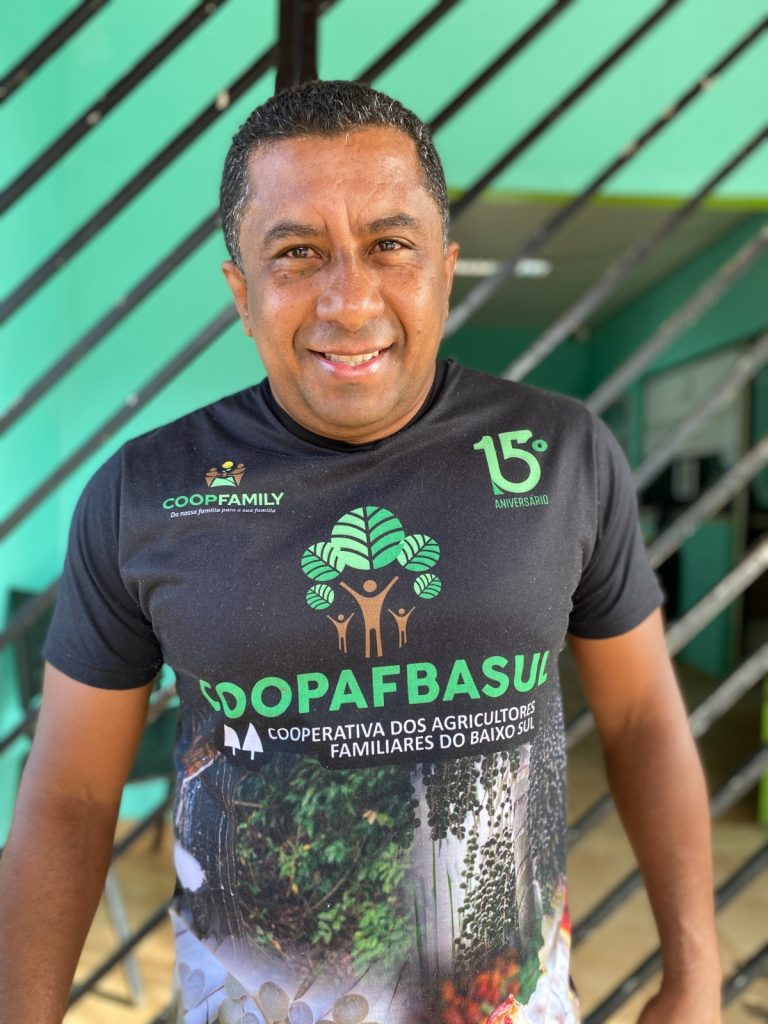
“We gained access to the Egyptian market when an importer reached out directly to the cooperative and kicked off negotiations. That first partnership led to new opportunities, allowing the cooperative to broaden its international work and to prospect for clients in external markets,” says Coopafbasul executive director Gileno Araújo dos Santos.
According to Mr. Santos, the process of exporting to Arab countries such as Egypt may be considered moderately paperwork-heavy, especially early on. “However, through organization and standardization, it becomes a viable, continuous process. By the way, the cooperative can (and is well advised) to work with more than one buyer, reducing commercial risk exposure and driving bargaining power,” he explains. The raw material gets shipped from the Port of Salvador.
Family farming
The cooperative started out with 20 agrarian reform settler, quilombo resident, and smallholder families in Bahia’s Lower South area. Now, Coopafbasul boasts 3,800 members. In addition to an annual output of 1,000 tons of piassava, the families grow cocoa, cloves, peach palm, achiote, and fruits.
The cooperative is always looking for new markets and alternatives to add value to its output.
Gileno Araújo dos Santos
In 2024, a partnership was entered into with Binatural, a biodiesel company with a unit in Simões Filho, in the Salvador metropolitan area. The partnership remains in place with some 200 tons of piassava coconut supplied each year as an alternative to firewood as a source of power. The coconut has high heating properties and is a more sustainable and economically attractive option than regular firewood.
“This partnership is important to the cooperative because it has enabled not just the regular sale of the product, but also our insertion into sustainability-related initiatives, such as the social biofuel label project. This improves income generation for farmers and builds recognition for piassava as a viable energy resource,” the executive director explains. “After all, the cooperative is always looking for new markets and alternatives to add value to its output, with a focus on strengthening family farming.”
Active in the Lower South, Far South, and Dendê Coast areas, the cooperative has branched out beyond the Bahia territory with a presence in Espírito Santo, Minas Gerais, and São Paulo. To ensure production and harvesting on all fronts, Coopafbasul works with rural microcredit lines, especially Agroamigo, from Banco do Nordeste, designed to support family farmers and smallholder properties.
More on the cooperative:
Site – Instagram
Report by Débora Rubin, in collaboration with ANBA
Translated by Gabriel Pomerancblum
