



São Paulo – The impact of disruptions to shipping through the Strait of Hormuz is particularly severe in least developed countries and small island developing states, according to information released by the United Nations Conference on Trade and Development (UNCTAD) this Friday (18). The organization said that 61 economies face dual exposure to the problem because they are both net importers of energy and cereals.
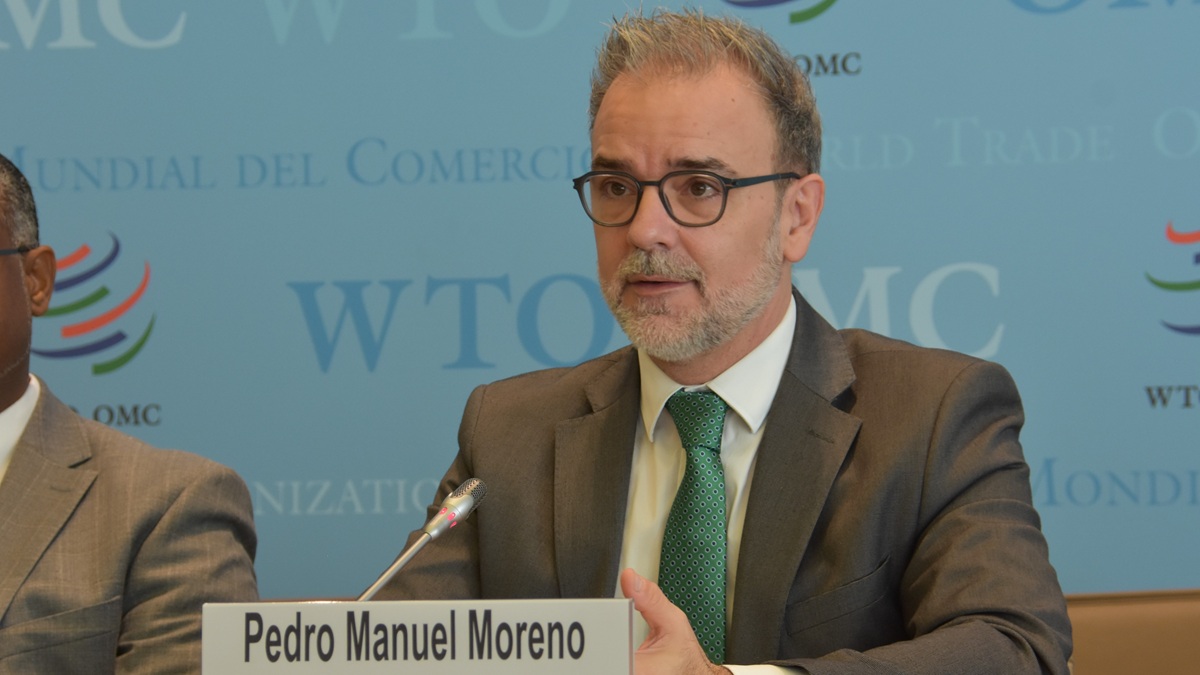
The issue was discussed at the session “Hormuz in crisis: Protecting vulnerable economies” at the World Trade Organization (WTO) Public Forum, which took place in Geneva, Switzerland, from Tuesday (15) to Thursday (17), and at which Acting UNCTAD Secretary-General Pedro Manuel Moreno took part.
In a post-forum text, UNCTAD reports that many of these 61 countries entered the crisis with high levels of debt and limited financial buffers. “Keeping maritime routes open, safe and predictable is not only a question of trade. It is a condition for development,” Moreno said.
According to UNCTAD information, the Strait of Hormuz accounts for around 11% of global maritime trade by volume and approximately one third of seaborne oil exports. UNCTAD estimates that a 50% increase in oil prices could add $20.4 billion a year to oil import costs for these more vulnerable economies.
According to the organization, fertilizer supplies are another concern, as around one third of global seaborne fertilizer trade passes through the Strait of Hormuz. UNCTAD says that higher energy and fertilizer costs can affect farmers, food prices and future harvests. “Shocks travel quickly, but they leave slowly,” Moreno said.
Read also:
Oil gains on Middle East supply fear

