



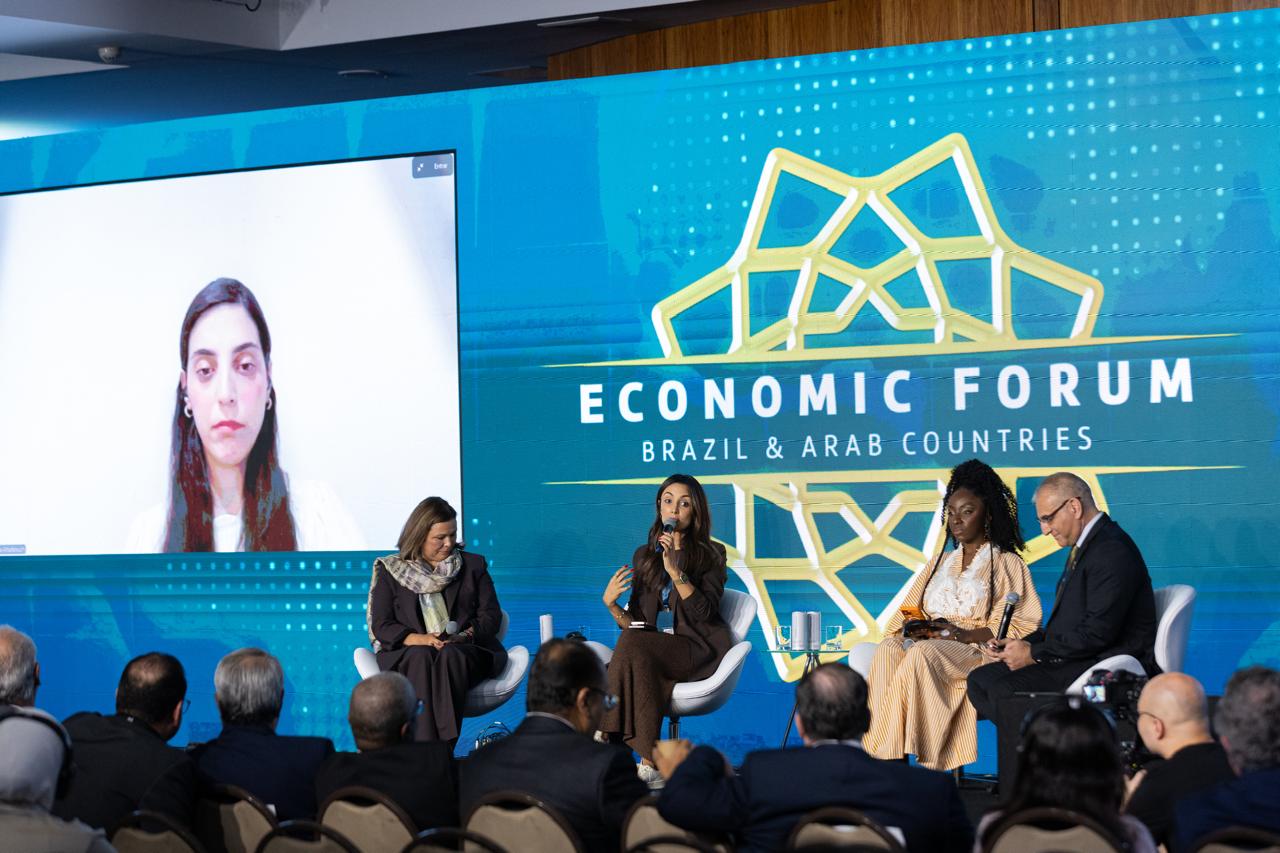
São Paulo – Artificial intelligence still does not speak Portuguese or Arabic as it should. At the final panel of the Brazil & Arab Countries Economic Forum, held by the Arab-Brazilian Chamber of Commerce (ABCC) on Tuesday (25) in São Paulo, experts said the lack of content in local languages and security and privacy challenges are among the main obstacles preventing Brazilians and Arabs from fully benefiting from new technologies.
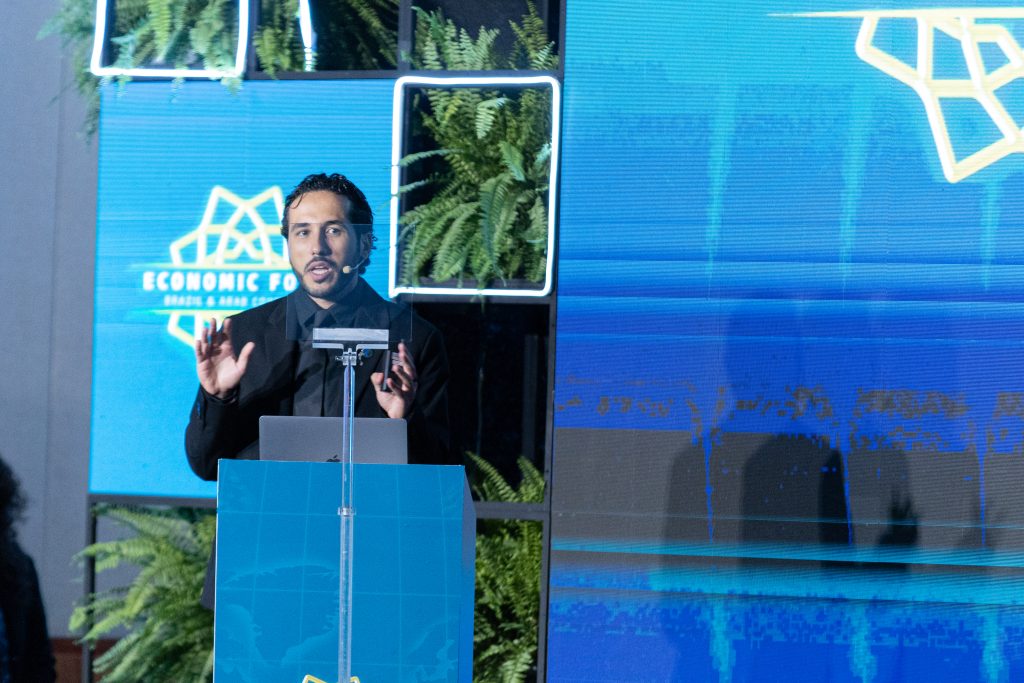
According to Sïmon Saneback, co-founder and partner at Wellstreet, most of the content used to train AI models is in English, while only a small share is in Arabic or even Portuguese. He also noted that Brazilians and Arabs share similar consumer behaviors, from a passion for digital gaming to trust in digital payment systems such as Brazil’s Pix and Arabs’ Buna.
Kinda Altarbouch, CEO and co-founder of Lableb AI, said this problem is reflected, for example, in e-commerce. She believes companies need to adapt to AI models to optimize product sales.
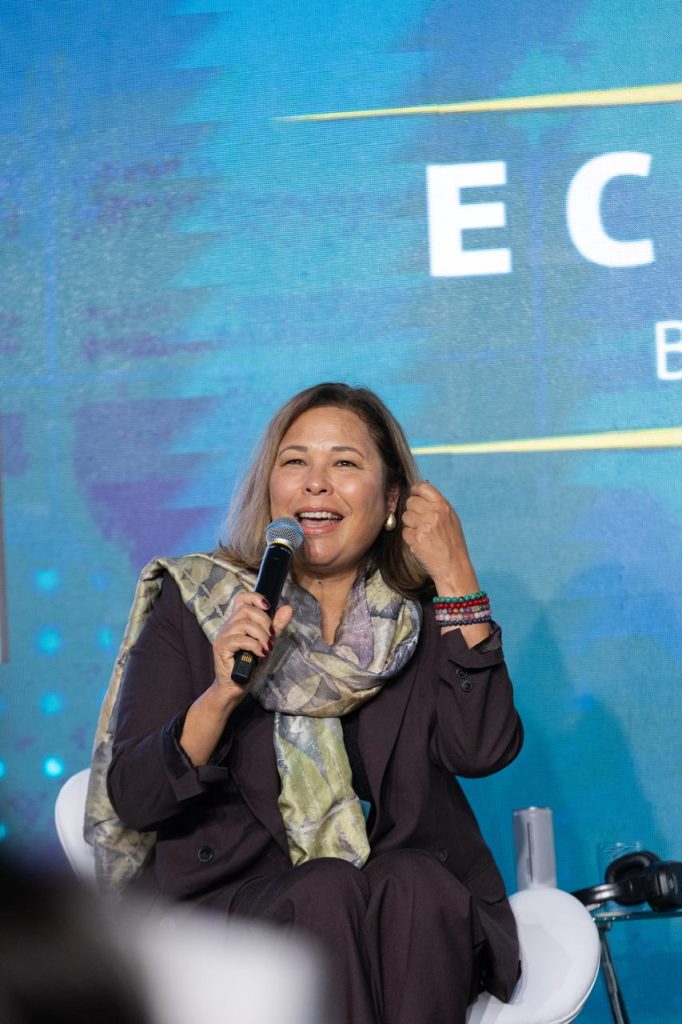
“A consumer who speaks Arabic may suddenly be unable to describe what they want based on the commercial terms used by the company,” she said.
According to Altarbouch, many people in the United Arab Emirates speak English, which can make adoption easier, unlike in other countries.
Nidal Abou Zaki, director-general of Orient Planet Group, acknowledged that AI can improve purchasing decisions.
“AI is a tool that helps us sell products today,” he said.
He believes there are many opportunities to expand Arab-Brazilian partnerships in this area, such as facilitating cross-border payments through fintechs.
Ayumi Moore Aoki, founder and CEO of Women in Tech Global, believes policies are needed to expand AI’s knowledge base and reach different countries. She is also founding president of the Tech Diplomacy Global Institute and said it is necessary to understand security and privacy limits. In addition, ensuring digital sovereignty is a difficult task, and countries need to “choose” where to invest in digital independence.
Security and privacy
Giuliane Paulista, an AI & Data executive at Banco do Brasil, explained that fully AI-driven purchases—where users simply make a request and a digital agent handles the entire process, from product selection to final payment—could become common in the future.
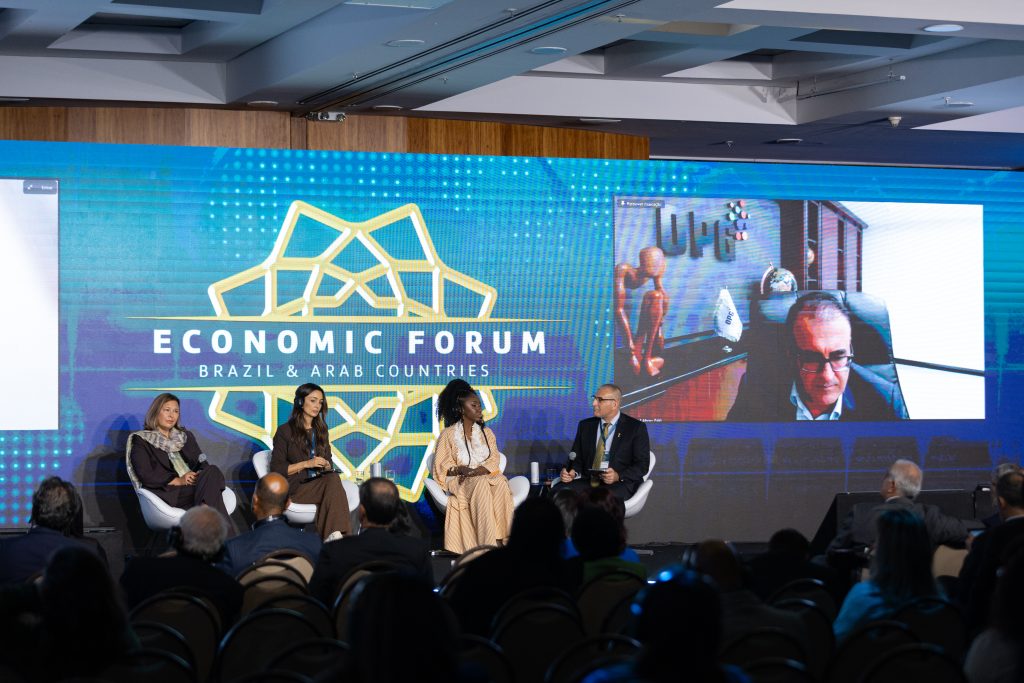
“If I give it my credit card, it will simply make the transaction. Now we have so many choices to make that it can sometimes be complicated. We are giving AI the power to decide,” Paulista said.
She also advocated for governance, saying customer data must be protected, and that more “responsible” AI systems need to be discussed.
Mustafa Jarrar, a professor of artificial intelligence at Hamad Bin Khalifa University in Qatar, moderated the discussion and acknowledged that he has seen young people increasingly using AI to decide what to buy, for example, but questioned the limits of such technologies.
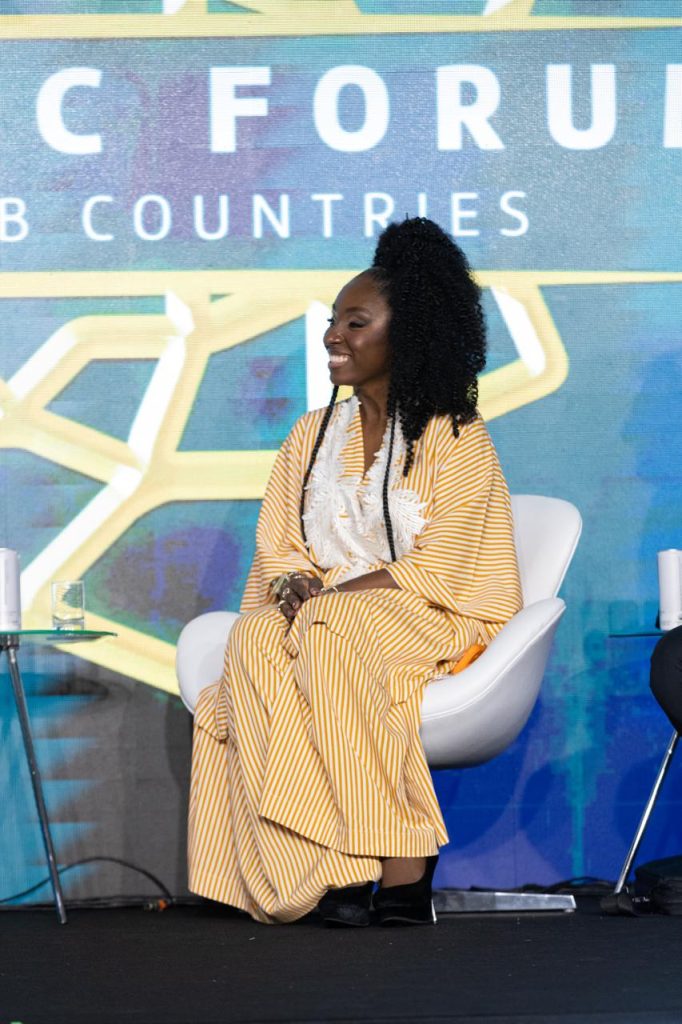
Nina Silva, founder and CEO of Black Money Movement, argues that users should own their data.
“We have an obligation to promote digital literacy so that cybersecurity can truly be addressed,” she said, noting that many users carelessly share sensitive data on platforms.
She said part of Brazil’s population went digital during the pandemic and that a lack of financial and digital literacy causes numerous economic problems. She argued that government investment and partnerships between the Global South and BRICS and G20 groups are needed to develop sovereign, open-source AI systems.
The forum, organized by the ABCC, is sponsored by Fambras Halal, International Halal Academy, Vale, DP World, Cdial Halal, First Abu Dhabi Bank, MBRF Global Foods Company, Qatar Airways and MZAH Group Investment. Institutional supporters include the Arab League, the Union of Arab Chambers and the Federation of Industries of the State of Bahia. Cacilda Aragão Tours is a partner.
Read also:
Brazil, Arab nations face geopolitical challenges
Uncertain landscape calls for Brazil-Arab ties
Trust keeps Brazil-Arab food corridor open
Uncertain landscape calls for Brazil-Arab ties
Agreements seek to strengthen trade and investment
Forum debates transformation of global economy
Translated by Guilherme Miranda

